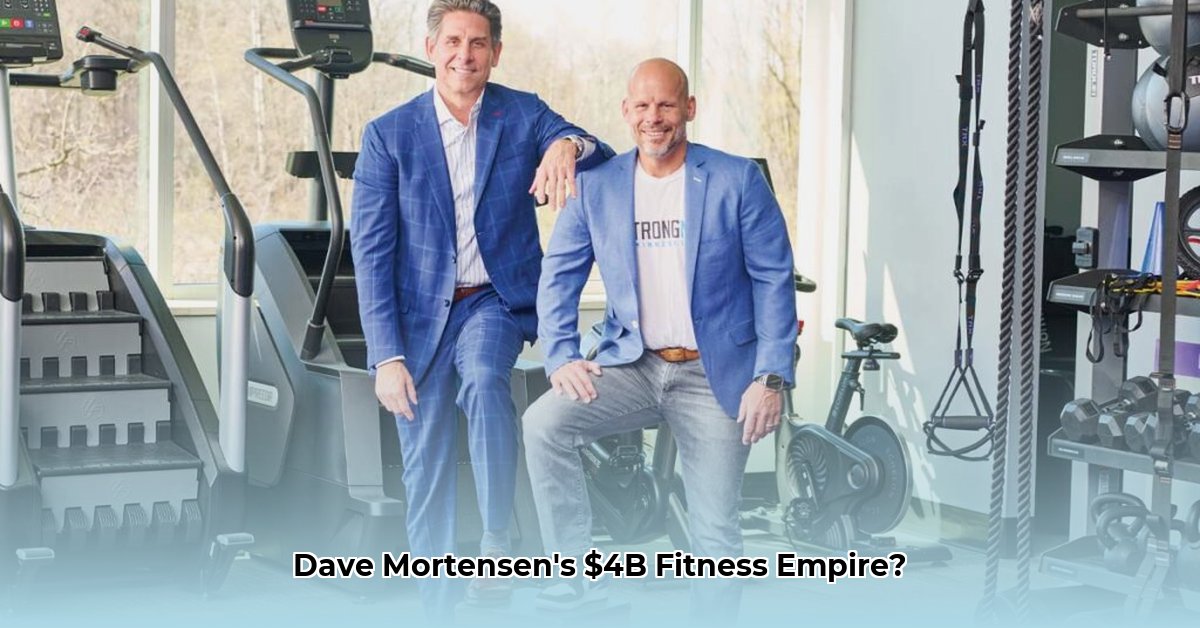
Dave Mortensen's name is inextricably linked to the phenomenal success of Purpose Brands, the parent company of Anytime Fitness. While the precise figure of his net worth remains private, his pivotal role in building a $4 billion fitness empire is undeniable. This isn't simply a story about wealth; it's a compelling narrative of entrepreneurial vision, innovative business models, and a unique company culture that redefined the fitness landscape.
From Startup to Global Fitness Giant
The Anytime Fitness story began with a seemingly simple, yet revolutionary concept: a 24/7 gym, accessible to everyone, regardless of schedule. Dave Mortensen, alongside Chuck Runyon, didn't merely build a gym; they engineered a system. Their franchise model, emphasizing affordability and convenience, disrupted the traditional fitness industry. The rapid expansion—dozens of locations virtually overnight—demonstrates both their risk appetite and unwavering belief in their vision. This wasn't just about profit; it was about democratizing fitness. How did they achieve such remarkable growth? What strategies propelled their success? The answer lies in a potent combination of savvy business acumen, calculated risk-taking, and an unconventional company culture.
Is it surprising that such a rapid expansion led to substantial wealth for its founders? The rapid growth, fueled by a strong brand reputation and loyal franchisees, cemented Anytime Fitness's position as a dominant force, significantly contributing to Dave Mortensen's considerable wealth.
A Culture Beyond Profits: "People, Purpose, Profits, and Play"
Anytime Fitness's reputation transcends its accessibility; it's celebrated for its exceptional workplace culture. The oft-cited "tattoo parlor" anecdote – a testament to the company's relaxed yet productive atmosphere – perfectly embodies the ethos cultivated by Mortensen and Runyon. Their philosophy prioritized employees, fostering a supportive environment where individuals felt valued and empowered. This "people, purpose, profits, and play" philosophy wasn't merely a feel-good initiative; it was a strategic cornerstone of their success. This employee-centric approach attracted top talent, boosted morale, and undeniably contributed to the explosive growth of their enterprise, significantly impacting Dave Mortensen's net worth.
Given this focus on employees, it is not surprising that their business model is so successful. How is it that a company focused on people also generates vast amounts of money?
Navigating the Future: A Leadership Transition
The upcoming leadership transition represents both a challenge and an opportunity for Purpose Brands. While Mortensen and Runyon's legacy is firmly established, sustaining the company's unique culture, adapting to evolving market trends, and navigating international expansion will require astute leadership. Maintaining the impressive momentum they built will depend on a seamless transition, strong leadership, market adaptability and a continued adherence to the core values that propelled their initial success. The smooth transition of leadership will be instrumental in securing the future of Purpose Brands and, by extension, protecting the considerable value associated with Dave Mortensen's stake in the company. What innovative strategies will the new leadership employ to maintain this level of success?
A Balanced View: Acknowledging the Challenges
While Purpose Brands' success is undeniable, potential challenges require recognition:
- Leadership Transition: Finding and integrating a new CEO while retaining experienced employees poses a significant risk. However, thorough succession planning, attractive employee retention strategies and competitive compensation can mitigate this.
- Intense Market Competition: The fitness industry is fiercely competitive. Continuous innovation and strategic marketing are crucial for maintaining a competitive edge.
- International Expansion: Navigating diverse regulations and cultural differences in new international markets requires a tailored approach and potentially strategic partnerships.
- Economic Slowdown: Economic downturns could impact consumer spending, affecting franchise profitability. Financial safeguards for franchises and flexible support programs can mitigate this risk.
A Legacy Forged in Fitness: The Ongoing Story
Dave Mortensen's story is intrinsically linked to the remarkable success of Anytime Fitness and Purpose Brands. His contribution to building a $4 billion fitness empire is undeniable, although the exact financial details remain undisclosed. His legacy extends beyond mere financial achievements: It's a testament to the power of a bold vision, innovative strategy, and a unique company culture that revolutionized the fitness industry. The future of Purpose Brands remains compelling, and it will undoubtedly continue to shape Dave Mortensen's legacy and financial success. It’s a narrative still unfolding, with the coming chapters promising to be just as compelling as those that came before.
Replicating Anytime Fitness Success: A Franchisee's Guide
The Anytime Fitness model—a cornerstone of Purpose Brands' $4 billion valuation—didn't emerge overnight. It's a blueprint built on strategic planning, effective execution, and some calculated risk-taking. Is it possible to replicate this success? Let's examine the key elements.
Key Components of Anytime Fitness Franchise Success:
- Strategic Location: Choosing a high-traffic, accessible location is paramount.
- Effective Marketing: A strong local marketing strategy is essential to attract members.
- Operational Efficiency: Streamlining operations and managing staff effectively are crucial for profitability.
- Financial Management: Thorough financial planning and understanding franchise fees are necessary.
- Adaptability: The ability to adapt to market changes and economic fluctuations is key for long-term success.
Steps to Replicate Success:
- Thorough Market Research: Identify a prime location with high foot traffic and analyze local competition.
- Sound Financial Planning: Develop a comprehensive budget, secure funding, and project revenue accurately.
- Franchise Acquisition: Navigate the application process and secure a franchise agreement.
- Operational Setup: Recruit and train staff, set up equipment, and establish efficient systems.
- Targeted Marketing: Develop a localized marketing strategy combining digital and traditional methods.
- Continuous Monitoring: Regularly assess performance, adapt to market changes, and prioritize customer satisfaction.
The path to replicating Anytime Fitness' success is demanding, but with careful planning, strategic execution, and a focus on the core tenets of the model, it's a goal within reach. https://sharpsheets.io/blog/anytime-fitness-franchises-costs-profits/